Testing & compliance
Proof testing & RS23
There are two kinds of testing, and they answer different questions.
Pulse (impulse) testing is done by the manufacturer — cycling an assembly type at pressure hundreds of thousands of times to earn its rating. It proves the design.
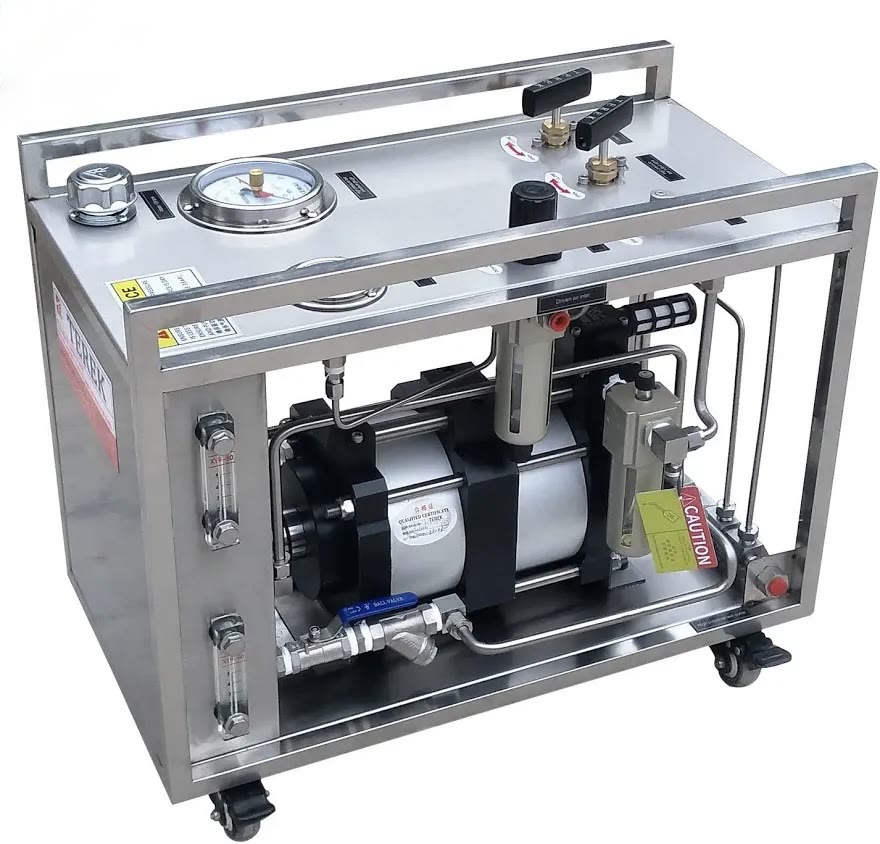
Proof (hydrostatic) testing is done on the actual assembly you're about to fit — pressurising it with fluid to a set multiple of working pressure, holding it, and checking for leaks or distortion. It proves that specific hose.
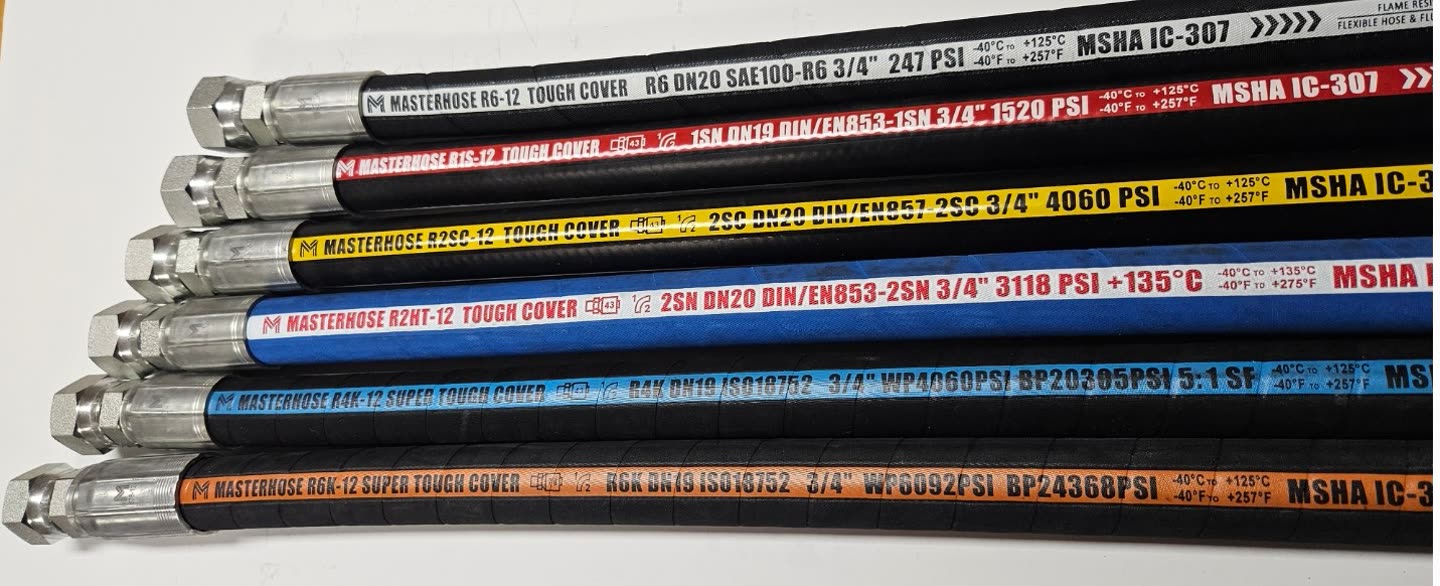
For coal mines and quarries, Queensland's Recognised Standard 23 makes this matter: fluid power assemblies must be correctly built, identified, tracked, tested and certified — with records to back it up. See how VMECH builds to RS23 →
Read Recognised Standard 23 (PDF)